Standard Overview: ANSI/RESNET/ICC 380-2022

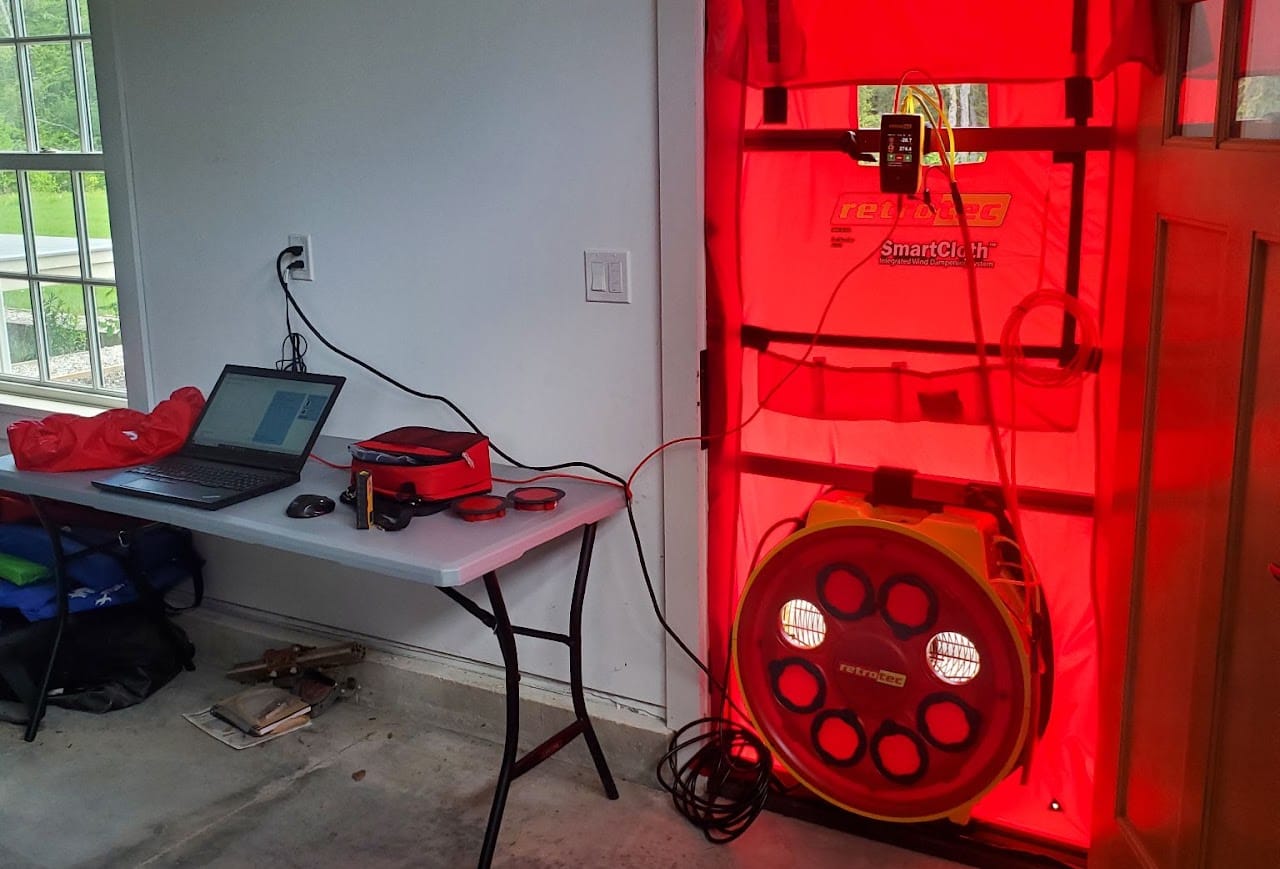
SBC Testing uses the RESNET 380 Standard for blower door and duct leakage testing. The following is a summary of the standard.
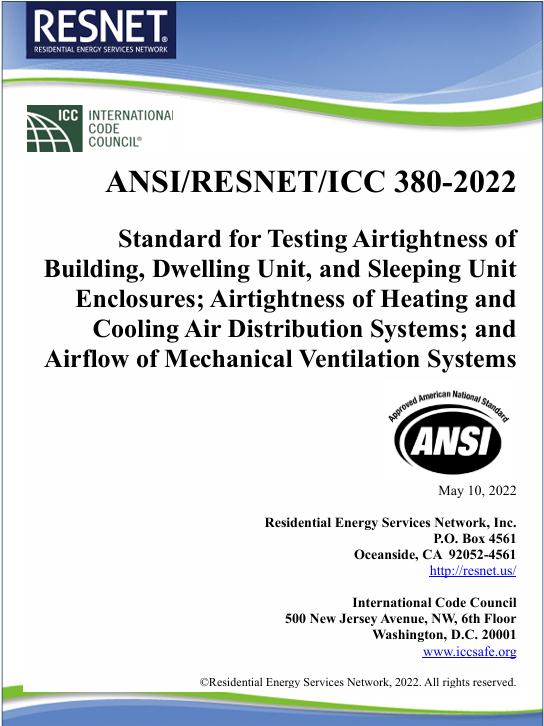
This document is the ANSI/RESNET/ICC 380-2022 Standard, titled "Standard for Testing Airtightness of Building, Dwelling Unit, and Sleeping Unit Enclosures; Airtightness of Heating and Cooling Air Distribution Systems; and Airflow of Mechanical Ventilation Systems".
Published by the Residential Energy Services Network (RESNET) and the International Code Council (ICC), it serves as an American National Standard to establish uniform procedures for testing enclosure airtightness, duct system leakage, and mechanical ventilation airflow in residential and commercial dwelling or sleeping units.
Core Sections & Test Procedures
1. Enclosure Airtightness Testing (Section 4)
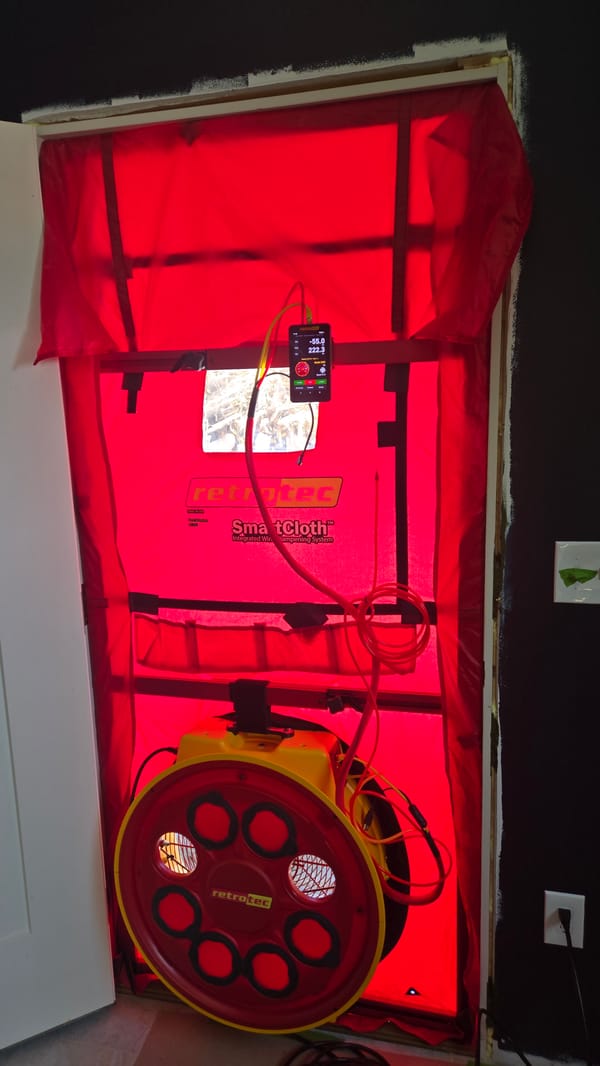
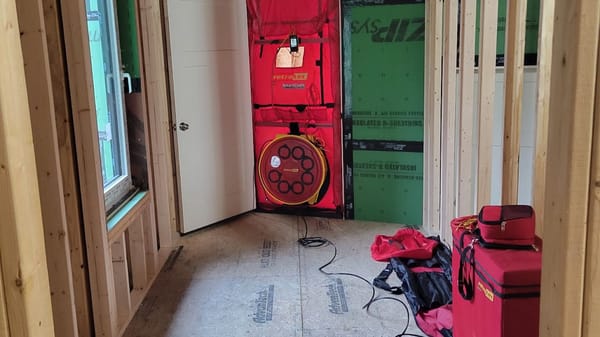
- Purpose & Scope: Establishes standards for measuring building envelope leakage using blower door systems.PDF
- Key Preparation Rules:
- Windows, doors, and pet doors must be closed and latched.PDF
- Interior doors within the conditioned space are left open.PDF
- Specific configurations apply to attics, basements, crawlspaces, and adjacent mechanical closets depending on whether they are conditioned, unvented, or sealed.PDF
- Continuous ventilation/exhaust openings are sealed during the test, whereas intermittent systems are left unsealed.PDF
- Testing Methods:
- One-Point Test: Uses a single target pressure difference of 50 Pa (CFM50).PDF
- Multi-Point Test: Takes measurements across a minimum of 5 pressure stations (ranging between 10 Pa and 60 Pa) to derive air leakage curves (Q=C(dP)n).PDF
- Reporting Metrics: Includes Air Changes per Hour at 50 Pa (ACH50), Specific Leakage Area (SLA), Normalized Leakage Area (NLA), and Effective Leakage Area (ELA).PDF
2. Duct System Airtightness Testing (Section 5)
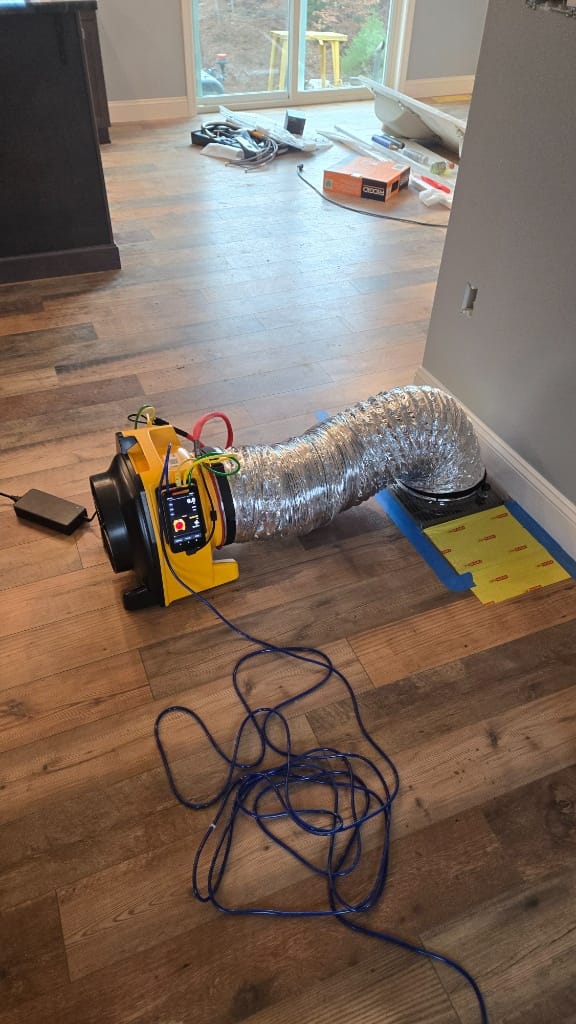
- Purpose & Scope: Measures total duct leakage or leakage to the outside at a test pressure of 25 Pa (CFM25).PDF
- Key Preparation Rules:
- Requires all HVAC components and controls to be verified; filters are removed.PDF
- Supply registers and return grilles are temporarily sealed.PDF
- Continuously operating ventilation systems connected to the ducts are sealed, whereas intermittent ones remain unsealed.PDF
- Test Configurations:
- Total Duct Leakage Test: Measures overall leakage by pressurizing/depressurizing the duct system while a doorway/window is kept open to the outside.PDF
- Duct Leakage to Outside Test: Operates a blower door and duct tester simultaneously to balance the house and duct pressures to 0.0 Pa relative to each other, isolating leakage leaking to the outdoors.PDF
3. Mechanical Ventilation System Airflow (Section 6)
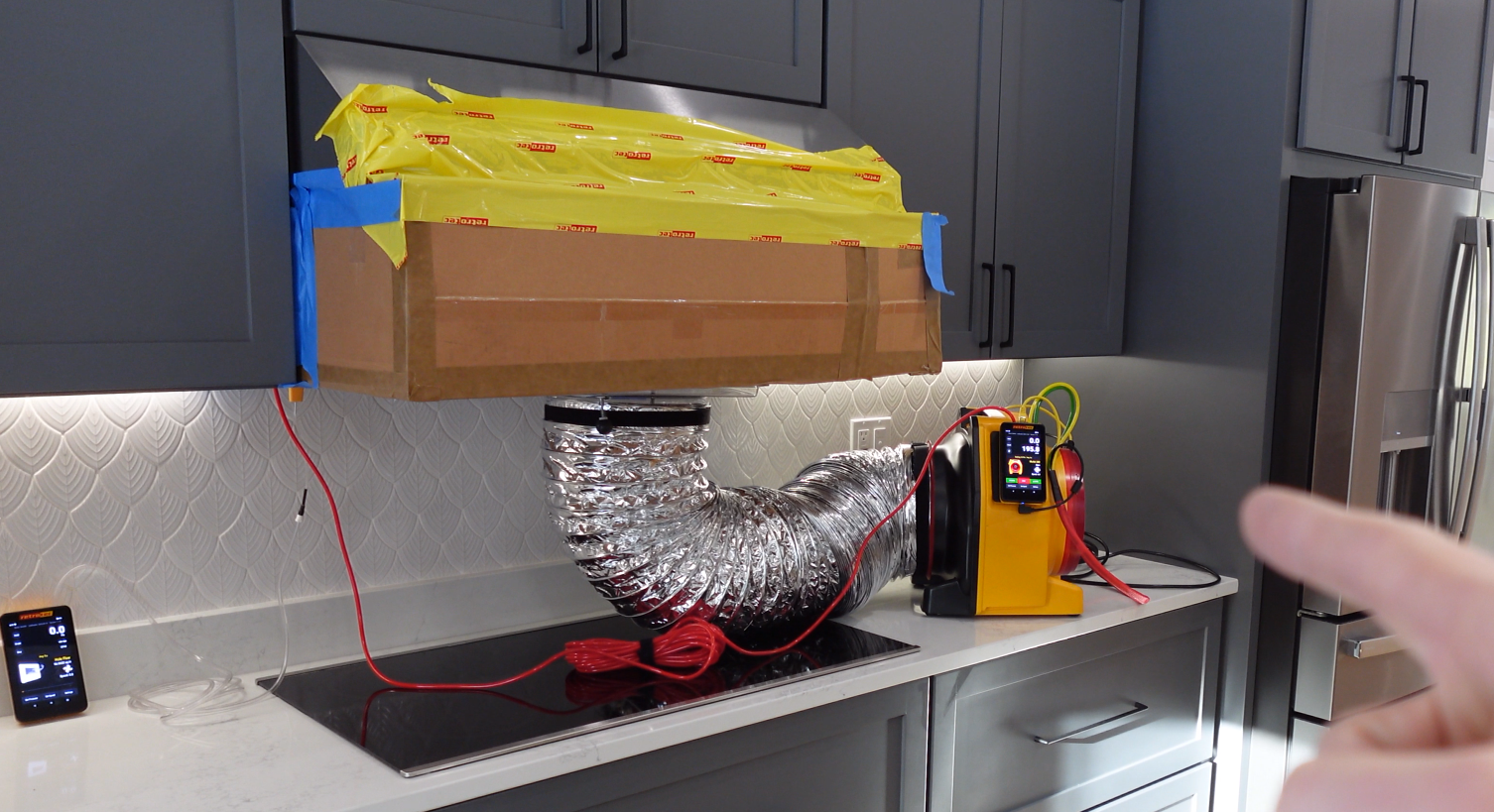
- Purpose & Scope: Measures volumetric airflow (CFM or L/s) through dwelling unit ventilation systems or local exhaust fans (e.g., kitchen/bath fans).PDF
- Approved Measurement Approaches:
- At Inlet Terminals: Using powered flow hoods, airflow resistance devices, passive flow hoods, or vane anemometers with hoods.PDF
- At Outlet Terminals: Using powered flow hoods, bag inflation devices (timed fill), or vane anemometers with hoods.PDF
- Mid-Stream in Ducts: Using permanently installed airflow measurement stations, velocity pressure probes, or hot-wire anemometers.PDF
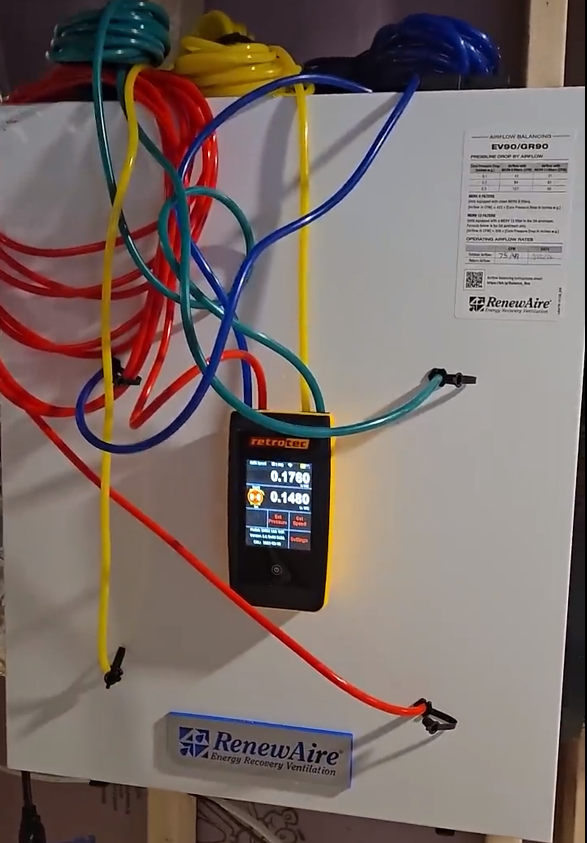
- At Equipment: Using integrated diagnostic tools provided by the equipment manufacturer.PDF
4. Safety & Reference Annexes (Sections 7–11)
- Safety Considerations: Addresses equipment guards, personal protective equipment (PPE), protection against back drafting/sucking dangerous flue gases or soot, and navigating hazardous work spaces (attics, ladders).PDF
- Informative Annex A: Provides a clear reference matrix mapping out how various house areas (walls, floors, attics, basements, crawlspaces, garages, sunrooms) are classified regarding Conditioned Space Volume (CSV), Unconditioned Space Volume (USV), Conditioned Floor Area (CFA), and Infiltration Volume.
- Document Reference Link: https://www.resnet.us/wp-content/uploads/ANSIRESNETICC301-2022_resnetpblshd.pdf

 SERVING ALL OF NEW HAMPSHIRE