Why you want an independent 3rd party blower door test.


SBC Testing
525 Stark Road Center Conway NH 03813
207-542-9048
October 23, 2026
RE: Section N1102.4.1.2 Blower Door Testing Integrity and Independent Verification
Dear local code enforcement,
As an independent, third-party building science consultant operating within your jurisdiction, I am writing to formally request that the Building Department exercise its authority under Section N1102.4.1.2 (R402.4.1.2) of the 2018-2024 International Residential Code (IRC) to require that all diagnostic building envelope air leakage testing be conducted by an approved third party.
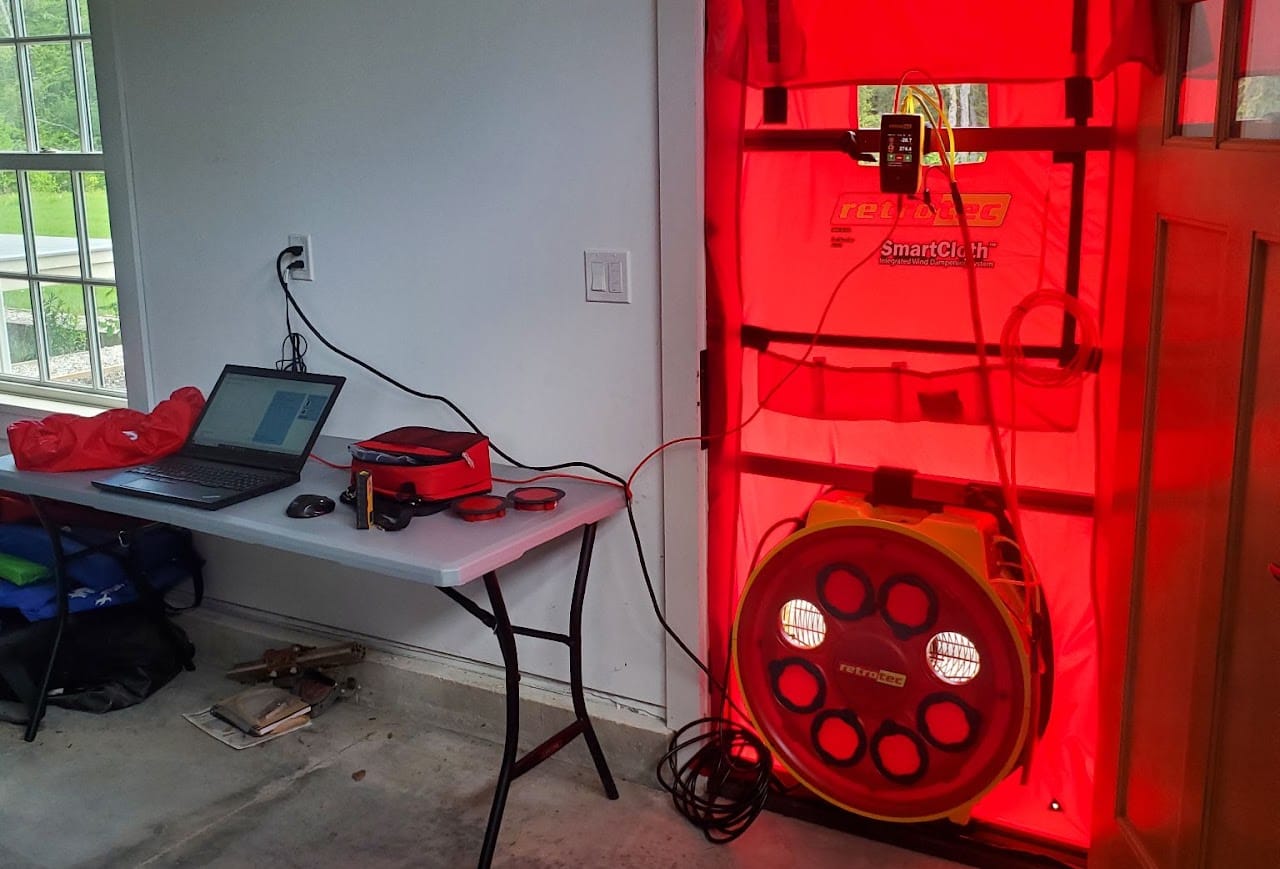
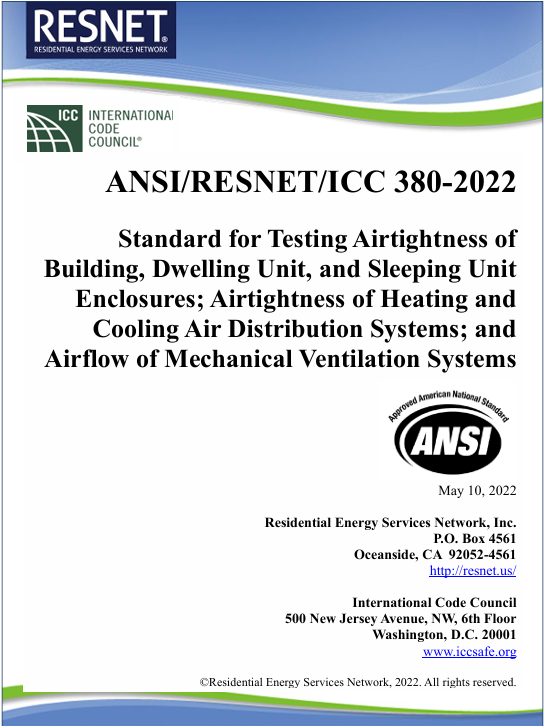
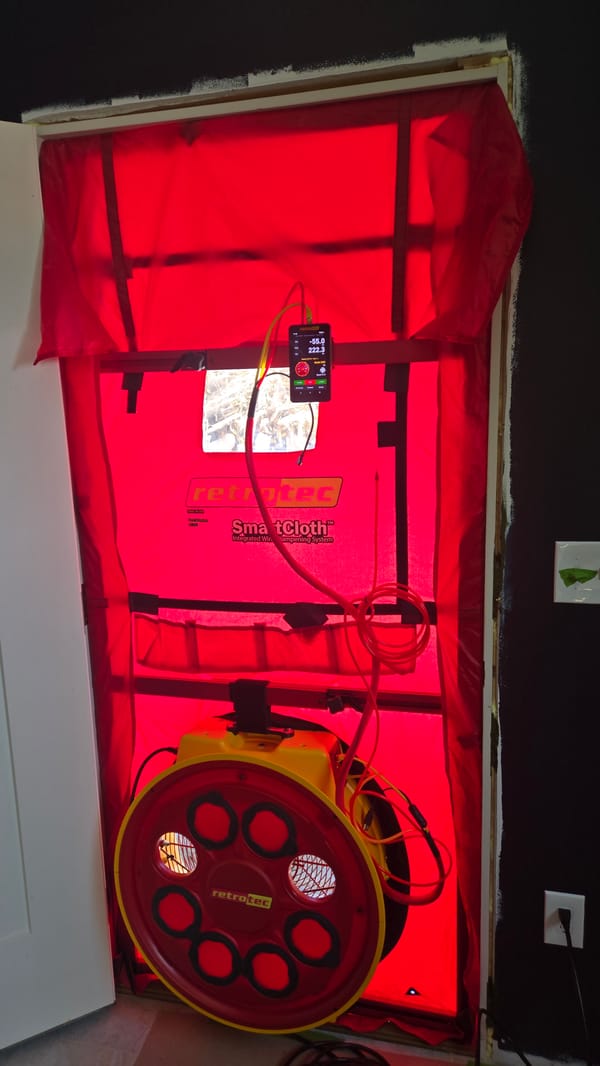
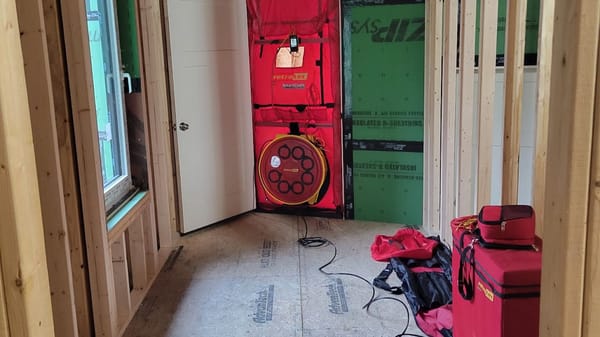
Section N1102.4.1.2 explicitly provides you with this discretionary power, stating: “Where required by the building official, testing shall be conducted by an approved third party.” While the base code sets the maximum allowable infiltration rate at 5 air changes per hour (ACH50) in NH, the accuracy of this metric heavily relies on strict adherence to technical parameters. As outlined in the code, tests must conform to standards like RESNET/ICC 380, ASTM E779, or ASTM E1827.
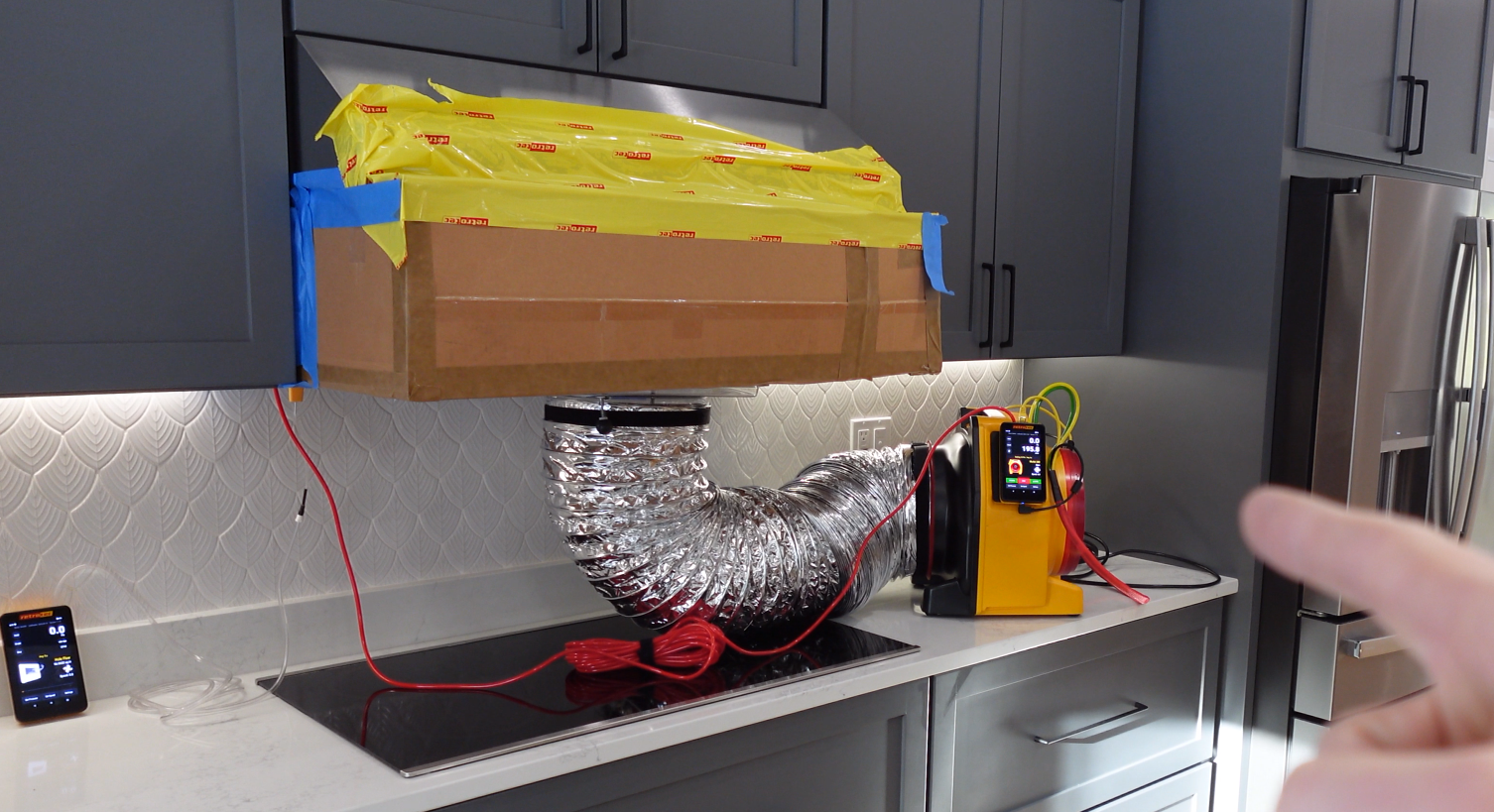
Relying on self-certification by the installing contractor presents an inherent conflict of interest. Achieving 3 ACH50 requires deliberate, specialized construction detailing. When the insulation and air-sealing contractor—who is directly responsible for meeting the air tightness requirement—is also allowed to conduct and report the verification test, a significant risk arises. The entity whose financial payout, scope completion, and reputation depend on passing the test is put in the position of evaluating its own work. Without independent oversight, subtle setup adjustments or misapplied test protocols (such as improper sealing of intentional openings or incorrect baseline adjustments) can artificially lower air leakage numbers.
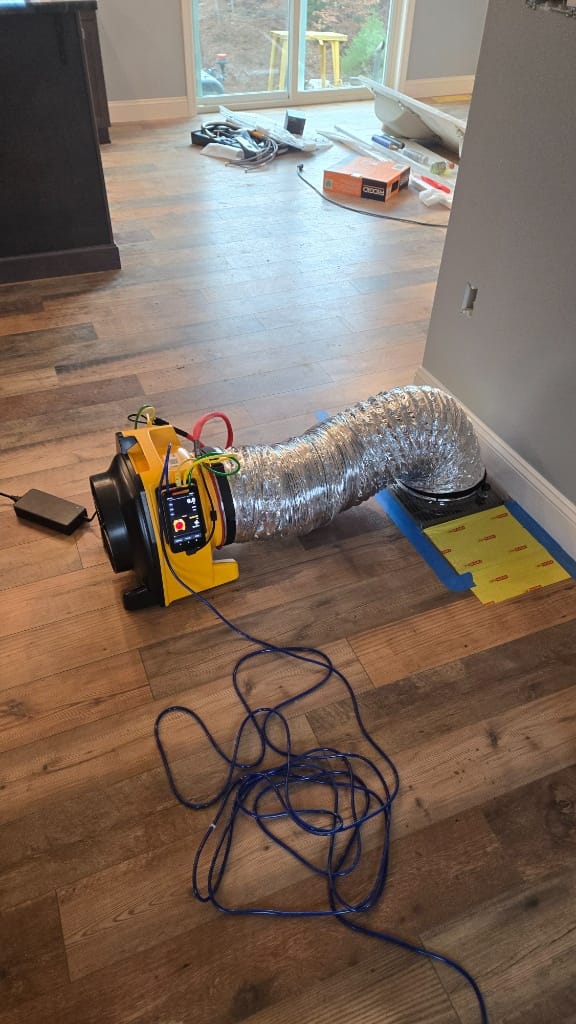
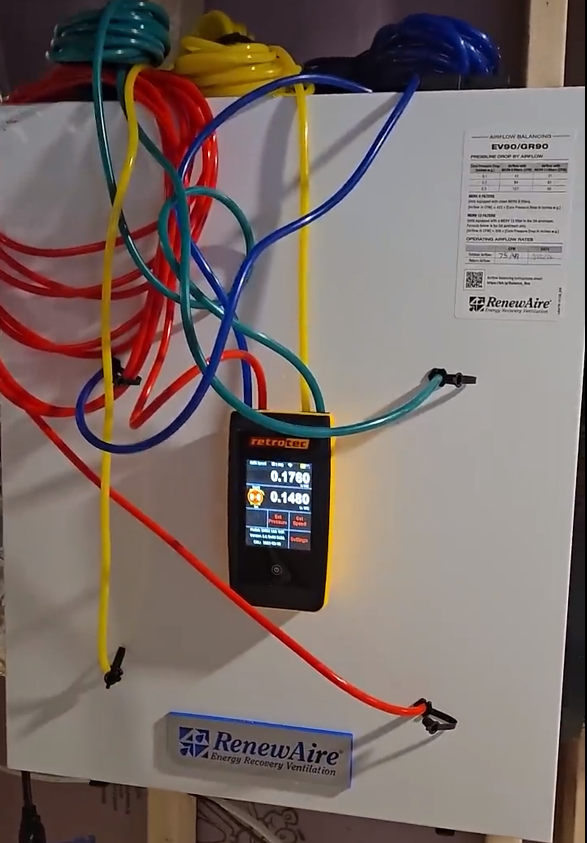
An independent third party eliminates this direct risk, ensuring absolute objectivity, proper equipment calibration, and precise software baseline calculations. This protection safeguards consumers from hidden energy liabilities, moisture control problems, and premature building assembly degradation while shielding the municipality from structural compliance oversights.
Mandating independent oversight for high-stakes residential construction metrics is a well-established precedent throughout the IRC. The code routinely shifts enforcement verification to certified third parties for specialized trades where safety and performance cannot be easily verified visually. Mandatory third-party triggers in the IRC include:
- Section M1307.2 (Anchorage of Appliances): Third-party inspection and certification are required for the engineering and installation of mechanical appliances in high-wind or seismic areas.
- Section R301.2.1.1 (Wind Design): Structural components and fenestrations in regions with high ultimate design wind speeds must be independently tested and labeled by an approved, certified agency.
- Section R703.1.1 (Exterior Wall Envelopes): Testing and certification of proprietary exterior weather-resistant barrier systems must be validated by an accredited third-party laboratory to prevent water intrusion.
- Prefabricated Structural Elements (Section R301.1.2): Truss designs, engineered lumber, and precast concrete foundation walls require third-party quality assurance stamps from an approved evaluation service before field installation.
Enforcing third-party certification for blower door testing seamlessly aligns with these existing code philosophies. It elevates local building standards, assists your department with technical field verification, and ensures that the energy-efficiency intent of Chapter 11 is fully realized in practice.
Thank you for your dedication to the structural integrity and efficiency of our community's housing stock. I welcome the opportunity to discuss how third-party professionals can best support your department's enforcement goals.
Sincerely,
Shawn Baldwin
 SERVING ALL OF NEW HAMPSHIRE